The following have been identified by the University as key environmental aspects of its daily activities:
Any impact on our students, our staff or stakeholders is mitigated by the University's proactive use of measures and monitoring programmes. |
| |
~top~ |
| |
本校認為,校內日常活動的主要環保問題,可歸納為以下五點:
為免員生和其他有關人士受到污染影響,本校實行防患未然,推行各種措施和監測計劃,減低污染程度。 |
| |
~頁首~ |
| |
~~~~~~~~~~~~~~ |
| |
|
| |
| If not properly controlled, fugitive emissions, dust in particular, are easily generated during construction and renovation. To prevent dust nuisance and smoke emissions, contractors are instructed to take measures such as proper coverage of construction materials and wetting, spraying and washing to suppress dust. In addition, prefabrication has been adopted to reduce air pollution on site during construction. This reduces the amount of on-site work such as cutting, sawing and nailing of materials, thereby reducing emissions and / or nuisance to the general public.
The Transport Unit regularly and effectively checks the shuttle fleet, all of whose vehicles have been fitted with diesel oxidation catalytic converters. |

A vehicle wash set up at the entrance of construction sites to eliminate dust.
建築工地入口處設立洗濯池,洗去車輛灰塵。
|
|
| This ongoing preventive maintenance programme keeps all vehicles in top mechanical condition, so that they operate in the most efficient manner and with the least impact on the environment. To reduce exhaust produced by campus vehicles, the Estates Management Office (EMO) also introduced three electric scooters in April 2002; two more have since been added. These scooters do not emit any exhaust and engine noise. |
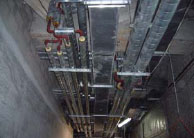 Pre-insulated Pipework 預制保溫冷凍水喉 |
A green scooter's battery must charge five to six hours for two to three hours' use. An electric scooter consumes in excess of $1,000 worth of electricity per year, much cheaper than the $5,000 annual cost of fuel for a traditional scooter. Additionally, an “Engine Off, Wait for Green” promotion is raising drivers' awareness of green driving practices. Some buildings, e.g. the Mong Man Wai Building and the Ho Sin Hang Engineering Building, have been designed with elevators that provide access to different levels of campus, while footpaths with enhanced streetscaping have been constructed to promote a pedestrian campus. Such measures reduce air pollution due to traffic. |
|
| Indoor air quality (IAQ) is a growing concern since most people spend more than 70% of their time indoors. Poor indoor environment may lead to discomfort, ill health, absenteeism and low productivity. Therefore, it is necessary to keep the workplace clean and adequately ventilated. The Campus Development Office (CDO) hired a qualified examiner to carry out an indoor air quality survey on campus from 2004-2005. The survey used in-situ measurements, sampling and laboratory analysis to monitor 12 IAQ parameters stated in the EPD's “Guidance Notes for the Management of IAQ in Offices and Public Places”. It was found that the IAQ of most CUHK offices and buildings could be classified as “Excellent” following remedial measures. |
| |
|
| |
| ~ 空氣污染問題 ~ |
| |
 CUHK's green scooter fleet, unique among Hong Kong's tertiary institutions, is completely exhaust-free. CUHK's green scooter fleet, unique among Hong Kong's tertiary institutions, is completely exhaust-free.
中文大學擁有全港大專院校唯一的環保電動摩托車隊。
|
建築和翻新工程如無妥善控制,會產生污染物,特別是灰塵。為了防止灰塵和黑煙,承包商必須依照指示,採取既定
措施,例如蓋好建築材料、澆水、噴霧式灑水、清洗工地等。此外,承包商採用預製建築組件。這些組件可減少工地
上切割、鋸開、釘牢等工作,同時減少污染物排放,以免污染空氣,對公眾滋擾也較少。 交通組定期檢查校內穿梭巴士,甚見成效。巴士都裝上柴油催化式淨化器。持續的防患未然式維修計劃,使所有車輛
性能保持巔峰狀態,行走時對環境影響減至最少。二零零二年四月,物業管理處為減少校園車輛產生的廢氣,採用了
三輛電動摩托車,其後增至五輛。電動摩托車不會產生廢氣、黑煙,而且非常寧靜,有助減少空氣污染或噪音。這些
環保摩托車每天須充電五、六小時,供兩、三小時使用;每年耗電量是千多元,比傳統電單車每年五千元燃料費便宜
得多。此外,校方鼓勵所有司機「停車熄匙」,加強駕車者環保意識。蒙民偉樓、何善衡工程學大樓等建築物,全部
按地形設計,升降機可到達校園高低不 |
|
| 等的地面。校內多處都開闢了小徑,加以美化,務求校園方便步行,減少車輛
造成的空氣污染。 由於大部份人七成以上時間都在室內,室內空氣素質非常重要。惡劣的室內環境,不但令人不適,有損健康,而且會
增加缺勤率,降低生產力。因此,工作地方必須保持清潔,空氣也必須十分流通。二零零四至二零零五年間,校園發
展處聘請合格測量員,展開實地空氣素質量度工作,抽樣供實驗室分析,求得環保署《辦公室及公眾地方室內空氣素
貿管理指引》所列的十二個參數,結果發現本校辦公室和建築物室內空氣素質大部份或須稍加調整,即達到「優良」
水準。 |
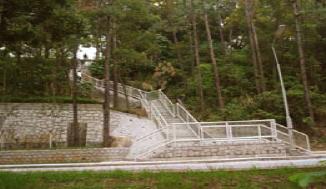
Steplink from Mong Man Wai Building to Clinic Road
由蒙民偉樓至保健路的行人徑
|
|
| |
~頁首~ |
| |
~~~~~~~~~~~~~~ |
| |
| ~ Energy Consumption ~ |
| |
| CUHK possesses the largest campus area in Hong Kong: 38 blocks of staff residences, 27 blocks of student hostels and over 60 blocks of academic and administrative buildings housing various facilities such as classrooms, libraries, laboratories and other communal amenities. Electricity consumption is quite high as is the trend to increased use due to rapid campus expansion and an increasing number of staff and students. To curb the trend to increased electricity consumption, the Energy Savings Task Force has conducted detailed studies and consolidated a proper course of energy conservation actions in 2004 as follows: |
| |
| Campus-Wide Benchmarks of CUHK |
|
Board Grant (BG) Expenses for he CUHK campus
|
Fiscal Year |
1999/2000 |
2000/2001 |
2001/2002 |
2002/2003 |
2003/2004 |
2004/2005 |
Gross Floor Area (GFA) for Non-residential Areas, (m2)
|
232,432 |
254,370 |
254,370 |
260,360 |
260,360 |
267,975 |
enchmark, kWh/m2
|
281 |
269 |
271 |
264 |
262 |
260 |
Unit Rate, $/kWh
|
0.778 |
0.773 |
0.767 |
0.762 |
0.750 |
0.753 |
|
| |
|
| |
| --- Energy Management and Strategies --- |
| |
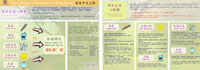
Educational Pamphlet for Energy Conscious Temperature Setting
環保室溫小錦囊
|
The Energy Saving Task Force has planned a series of strategies and programmes to coordinate and promote energy conservation through Energy Policy, Energy Guidelines, Energy Saving System & Organization, Energy Index & Benchmarks, Energy Conservation Promotion & Education,
Supports on Energy Conservation Installation, and Energy Survey. In 2005, in order to get in line with HKSAR environmental policy, a circulation letter was issued to all departments and units to
reduce energy consumption through the following recommended energy saving measures: |

Energy Policy and Guidelines Poster
能源政策及指引
|
|
|
|
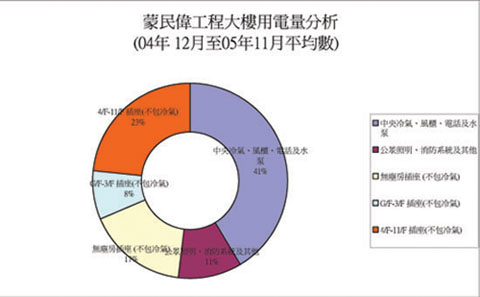
Consumption Pattern of Mong Man Wai Engineering Building
蒙民偉工程學大樓能源用量分佈
|
|
(a) Set indoor air temperature at 25.5oC in summer months; &
(b) In winter months, when the outdoor temperature is below 20oC, maintain appropriate indoor air ventilation, using the fan system without the cooling function. |
| |
~top~ |
| |
| --- Energy Conservation Measures --- |
| |
The University takes a proactive approach to Energy Conservation. Numerous measures initiated by the Energy Saving Task Force were implemented by the Estates Management Office, such as:
- Campus-Wide Lighting Retrofit Programme
- Installation of Energy Efficient Water-cooled Air-conditioning system ��
- Installation of Building Management System ��
- Tariff Switching ��
- Installation of Occupancy Sensors ��
- Power Factor Improvement ��
- Installation of Indirect Evaporative Water-cooling System
��
- Energy-Conscious Building Operation
��
- Decommissioning Works
��
- Adoption of Renewable Energy
|
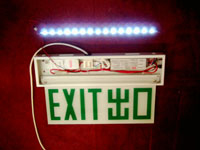
LED Exit Sign
發光二極體出路燈箱裝置 |
.jpg)
Occupancy Sensor
自動感應器裝置 |
|
| |
| |
~top~ |
| |
| --- Renewable Energy --- |
| |

Phase I Solar Hot Water System in Cheung Chuk Shan Amenities Building
第一期 11套真空熱導管式太陽能熱水器 (張祝珊師生康樂大樓) |
Renewable energy is sustainable, clean and abundant. It can be solar, hydro, or geothermal, or derived from wind, tides, waves or ocean sources, etc. In summer 2004, a pilot solar project was initiated by the Energy Saving Task Force. Eleven sets of evacuated tube solar heating collectors were installed in the Cheung Chuk Shan Amenities Building by the Estates Management Office. Following the success of the Phase I Project, 21 sets of evacuated tube solar heating collectors were installed in the Sports Centre in 2005. Unlike the conventional flat plate type solar heater, this type of solar collector makes use of new technology for better energy efficiency. The transparent evacuated tubes of the solar collectors act like a vacuum flask |
| to minimize heat loss, while permitting absorption of solar radiation. Heat is captured and transferred by the tubes, greatly increasing efficiency. On sunny days, hot water up to 90oC can be provided by the system. Solar-heated water is regulated by a thermostatic valve before utilization. The system is designed to have a capacity of 250 showers per day. Photovoltaic panels have also been installed for lighting and to power the fountain in the Lady Shaw Solar Garden.
Two natural streams flow through the University campus and empty into Tolo Harbor. To fully utilize this natural resource, the Estates Management Office installed a hydraulic ram pump to deliver stream water to storage tanks for irrigation and flushing. The pump converts the kinetic energy of water to potential energy through water power and has a lifetime of more than 30 years. |
.jpg)
Phase I Solar Hot Water System in the University Sports Centre
第二期 21套真空熱導管式太陽能熱水器 (大學體育中心) |
| |
|
| |
~top~ |
| |
~~~~~~~~~~~~~~ |
| |
| ~ 能源消耗 ~ |
| |
| 中文大學擁有本港最大的校園,在這片校園上設有三十八座教職員宿舍和二十七座學生宿舍,此外還有六十多座教學
樓和行政樓及教室、圖書館、實驗室和其他公共設施。由於發展迅速,員生人數不斷上升,耗電量甚高,更有持續增
加趨勢。為了遏止電力消耗不斷上升趨勢,節約能源工作小組於二零零四年詳細研究本校的能源消耗情況,制訂了節
約能源的實際措施,詳情如下: |
| |
| 中文大學全校能源指標 |
|
中大校園每年費用 |
Fiscal Year 財政年度 |
1999/2000 |
2000/2001 |
2001/2002 |
2002/2003 |
2003/2004 |
2004/2005 |
非住宅用地的建築面積平方公尺
|
232,432 |
254,370 |
254,370 |
260,360 |
260,360 |
267,975 |
指標,千瓦小時/每平方公尺
|
281 |
269 |
271 |
264 |
262 |
260 |
單位收費,元/千瓦小時
|
0.778 |
0.773 |
0.767 |
0.762 |
0.750 |
0.753 |
|
| |
~頁首~ |
| |
| --- 能源管理及策略 --- |
| |


Lighting Retrofit Programme
照明系統翻新工程
|
在能源管理方面,節約能源工作小組制定一系列節能策略及計劃,去協調及推動節約能源﹕能源政策、能源指引、能源管理及組織架構、能源消耗量系數及基準、節能宣傳及教育、節能工程政策支援及節能問卷調查。在2005年,為配合香港特區政府的環保政策,中大已向各部門發出加強節能措施通函,促請各部門落實以下節能措施﹕
(a) 在夏季把空調設定於 25.5oC 。
(b)在冬季當室外氣溫低於 20oC 時,應關掉空調系統之製冷部份,只啟動通風系統,保持空氣流通。 |
|
| |
|
~頁首~
|
| |
| --- 節能措施 --- |
| |
中大不遺餘力保護環境,由節約能源工作小組提案的節能措施,在物業管理處協助下的包括有:
- 校園照明系統翻新工程
�� - 水冷式空調系統安裝工程
�� - 樓宇設備自動化系統安裝工程
�� - 轉用合適收費模式
�� - 安裝自動感應器
�� - 改善功率因素
�� - 使用間接蒸發式冷卻
�� - 樓宇節能作業
�� - 拆除過剩設備
�� - 採用可再生能源
|
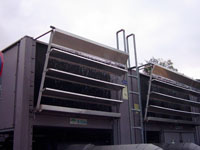
Indirect Evaporative Water-cooling System
間接蒸發式冷卻系統
|
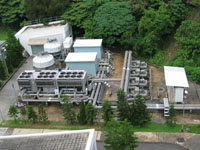
Water-Cooled Air-conditioning Plant in
SFARSC
上海總會科研技術中心中央水冷空調
|
|
| |
|
| |
| --- 可再生能源 --- |
| |

|
可再生能源是由自然產生、可持續的潔淨能源,除了取自太陽,亦可由水力、地熱、風力、潮汐、波浪和海洋等產生。 由節能工作小組提案,物業管理處已率先於2004年在張祝珊師生康樂大樓完成「第一期真空熱導管式太陽能熱水器工程」,而第二期工程亦已於2005年完成。第二期工程規模較第一期大,共有21套太陽能熱水器安裝在大學體育中心天台,真空熱導管式太陽能熱水器有別於以往平板式太陽能熱水器,該熱水器使用類似保溫壺的真空外層減少熱力流失,及使用熱導管促進熱力收集及傳遞,大大提高系統效能,在日照時份水溫可達90oC,熱水經調溫後供體育中心及汾陽樓浴室淋浴之用,該系統設計用量為每日250多人。此外,還在邵逸夫夫人樓的「太陽能花園」使用光伏版,吸收太陽能以供照明系統及噴水池之用。 |
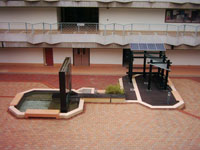
Solar Garden of the Lady Shaw Building
邵逸夫夫人樓太陽能花園 |
中大得天獨厚,依山傍水,校園內有兩條天然山溪,大量山溪水流經大學進入吐露港。為充分利用此資源,物業管理處在溪澗安裝水鎚泵將水加壓泵上儲水池,作淋花、沖廁之用。而此系統特別之處,是水力推動的,可將大約十分一流經水鎚泵的溪水抽往離水鎚泵40多米高的儲水池,系統壽命可達三數十年,潔淨無污染。 |

Hydraulic Ram Pump
水鎚泵 |
| |
|
|
| |
|
| |
~~~~~~~~~~~~~~ |
| |
| ~ Noise & Vibration ~ |
| |
.jpg)
Natural landscape used as a noise barrier.
校園內地勢及樹木被用作天然的噪音屏障。 |
Some noise is inevitably produced during construction and renovation. The University has introduced a number of measures over the years to reduce the impact of this noise. Firstly, construction work is not allowed on campus from 7:00pm to 7:00am on weekdays and completely forbidden any time on Sundays or public holidays. Particularly noisy work is restricted to pre-office hours, lunchtime and afternoon office hours to avoid undue disturbance to classes and office operations. All major works are scheduled in the summer months to avoid disturbance. Apart from this, the works department will liaise with offices located in affected areas to co-ordinate schedules. |
| Environmentally friendly methods are always considered at the design stage wherever practicable. Off-site prefabrication, block pavers, low noise surfacing in road construction and quieter equipment are adopted in projects to reduce noise nuisance. Natural landscape and planting are also used as noise barriers. |
|
| |
|
| |
| ~ 噪音及震動 ~ |
| |
| 建築和翻新工程,多少總會產生噪音。本校多年來已採取不少措施,減少噪音的影響。首先,校園平日晚上七時至上午七時禁止施工,星期天和公眾假期更全日禁止。特別嘈吵的工程,動工時間限於辦公時間之前、午膳時間以及下午辦公時間,盡量減少對教學和辦公室工作的滋擾。所有大型工程,都安排在暑假施工。此外,負責工程的部門會和受影響的辦公室聯絡,互相了解,以便妥善安排施工時間。 本校盡可能在工程設計階段制定環保措施,例如預製建築組件、鋪路磚、路面鋪上靜音物料、採用寧靜器材等,以減低噪音。本校還利用天然環境和植樹法作噪音屏障,減少噪音傳送。 |
| |

A quieter hydraulic crusher was used in the demolition of the Li Dak Sum Building.
在李達三棲重建工程中,利用較安靜的油壓式玻碎機進行拆卸。 |
.jpg)
Soundproof windows were installed in the offices of the Fung King Hey Building next to the Li Dak Sum redevelopment site.
馮景禧樓內的辦公室已安裝隔音玻璃窗,減少李達三樓重建工程的噪音影響。 |
|
| |
|
| |
~~~~~~~~~~~~~~ |
| |
| ~ Waste Management ~ |
| |
| As a tertiary institution with about 5,000 staff and 17,000 students, some of whom live on campus, CUHK generates a huge volume of waste daily in its offices, laboratories, canteens, residences and student hostels. This presents a very difficult environmental problem. The University has made a concentrated effort to reduce hazardous waste through implementing a 4 “R” Strategy of Reduce, Replace, Reuse and Recycle in daily activities in the University. |
 
Recycling Bins for Paper, Aluminum Cans & Plastic Materials
廢紙、鋁罐及塑膠物料回收箱 |
|
| |
|
| |
| --- Domestic Waste --- |
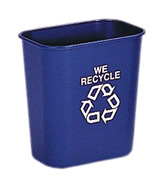
Desk-side Recycling Bin
桌旁回收箱
|
For waste reduction and management of domestic waste, the University has implemented the following measures:
- Providing over 65 strategic recycling points on campus to facilitate recycling with thrice-weekly collections for papers, plastic materials, metals and toner cartridges.
�� - To increase the rate of office paper recycling by 30%, a Desk-side Recycling Programme has been put into effect, with over 2,000 bins provided.
�� - Implementation of regular recycling programmes for clean plastic bags, rechargeable batteries, CDs, old clothes, books, toys, a charity recycling plan, etc.
|
|
| |
| Quantity of Recyclables Recovered |
2001 |
2002 |
2003 |
2004 |
2005 |
2006 |
| Waste Paper (kg) |
240,600 |
238,250 |
254,500 |
257,027 |
340,169 |
326,938 |
| Plastic Bottles (kg) |
865 |
1,090 |
1,290 |
960 |
760 |
700 |
| Aluminum Cans (kg) |
595 |
670 |
849 |
901 |
887.3 |
771.5 |
| Printer Cartridges (No.) |
No Data |
357 |
427 |
277 |
377 |
441 |
|
| |
|
| |
| --- Hazardous Waste --- |
| |
| CUHK recognizes the dangers of hazardous waste and its possible impact on the health and safety of staff and students, as well as on the environment. The University Safety & Environment Office (USEO) manages the disposal of biological and chemical waste generated by the daily operation of the University plant and academic undertakings on campus. Waste disposal guidelines are prepared for the research staff of laboratories regarding proper dumping of the waste generated by laboratory activities. All waste is properly stored until collected and removed by licensed collectors. Moreover, radioactive waste storage is managed by the Radiation Officer of the USEO. |

Biological waste is properly labeled and stored.
所有生物廢物都有清晰的標籤並適當的貯存。 |
|
| |
| Year |
Chemical Waste (kg) |
Biological Waste (tons) |
| 1998 |
19,244.0 |
No Data |
| 1999 |
15,852.5 |
No Data |
| 2000 |
24,241.1 |
17.0 |
| 2001 |
28,188.0 |
26.0 |
| 2002 |
34,661.0 |
14.0 |
| 2003 |
36,590.0 |
15.0 |
| 2004 |
37, 676.0 |
15.0 |
| 2005 |
38, 490.0 |
15.0 |
|
| |
|
| |
| --- Construction & Demolition Waste --- |
| |
.jpg)
C&D Waste Sorting Area
建築廢物分類存放區 |
During the design, construction and demolition phases of building projects, CUHK endeavours to reduce and reuse construction and demolition (C&D) waste materials. To facilitate more waste separation, the University requires contractors to submit a waste management plan outlining their proposed on-site sorting and waste minimisation. Their performance is strictly monitored to ensure the plan is properly carried out.
|
| Additionally, to ensure proper disposal of C&D waste, “trip tickets” are closely checked by the site supervisory staff. |
.jpg)
Metal hoarding replaces wooden hoarding.
金屬圍板取代了木圍板。 |
| |
|
| To conserve the timber forest and reduce C&D waste, metal has replaced hardwood for site hoardings, formworks and scaffoldings. Metal-made items are reusable; hence the generation of used timber works as C&D waste is greatly reduced. Apart from that, effective waste management has been adopted in building projects. For instance, in the Li Dak Sum Redevelopment Project, all existing |
|
| furniture was relocated to other offices; all A/C window units were removed for reuse in other buildings; and lighting fittings, timer doors, steel windows, glasses, pipes, cables, etc. were removed and collected by recovery/recycling companies. During the demolition, waste materials were sorted on site and separated into different categories such as quarry products, metal, timber products, surplus excavated materials and general refuse. These surplus excavated materials were used for backfill; the reusable/recyclable materials were reused or collected by recyclers; general refuse was disposed of in landfills; while the non-reusable/non-recyclable demolition materials were sent to public fills following the trip ticket system. |
| |
| Description |
Quantity |
C&D Waste Disposed to Public fill (m3) |
11,125 |
C&D Waste Disposal to Land fill (m3) |
1,111 |
| Recycled C&D Waste (m3) |
8 |
| Metal Recycled (kg) |
185,506 |
Paper Recycled (kg) |
665 |
| Chemicals Recycled (kg) |
350 |
|
| |
|
| |
| ~ 廢物管理 ~ |
| |
| 本校共有五千名教職員、一萬七千名學生,部分寄宿校園。辦公室、實驗室、飯堂、教職員宿舍和學生宿舍每天都產生大量廢物,成為環保工作的一大難題。有鑑於此,本校一切日常活動都奉行四R政策,致力減少有害廢物。四R即減省(reduce)、取代(replace)、再用(reuse)以及循環再造(recycle)。 |
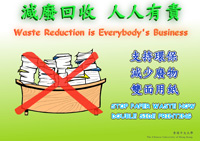 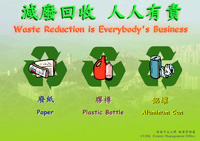
Waste Reduction Educational Posters
減廢小提示 |
|
|
| |
|
| |
| ---家居廢物 --- |
| |
.jpg)
EMO staff sorts waste in the refuse station.
物業管理處會在垃圾站將廢物分類。 |
大學在家居廢物管理方面作出以下措施﹕
�� - 中大提供65處策略性地點,每星期收集三次廢紙、金屬、塑膠物料及影印機碳粉盒。
- 透過2千多個桌旁回收箱,辦公室廢紙回收率增加三成。
- 落實多種回收計劃,例如﹕乾淨膠袋回收、充電池、光碟、舊衣、書本、玩具、慈善回收計劃。
|
|
| |
| 可再用廢物的回收數量 |
2001 |
2002 |
2003 |
2004 |
2005 |
2006 |
| 廢紙 (公斤) |
240,600 |
238,250 |
254,500 |
257,027 |
340,169 |
326,938 |
| 塑膠樽 (公斤) |
865 |
1,090 |
1,290 |
960 |
760 |
700 |
| 鋁罐 (公斤) |
595 |
670 |
849 |
901 |
887.3 |
771.5 |
| 列印機炭粉盒 (數目) |
未有統計 |
357 |
427 |
277 |
377 |
441 |
|
| |
|
| |
| --- 有害廢物 --- |
| |
| 本校深明危險廢料和員生健康、安全息息相關,對環境也有嚴重影響,特別委任大學安全及環境事務處(環境事務處),負責處理校園日常運作以及教學時產生的生物和化學廢料。大學制訂了廢料棄置指引,指示實驗室研究人員妥善棄置實驗產生的廢料。危險廢料一律須妥善儲存,待持牌收集商收集運走。放射性廢料則儲存於衰變倉內,由環境事務處的輻射防護主任負責管理。 |
.jpg)
Licensed collectors are employed to collect chemical and biological waste for disposal.
化學及生物廢物由持牌的收集商收集、處理。 |
|
| |
| 年份 |
化學廢物 (公斤) |
生物廢物 (噸) |
| 1998 |
19,244.0 |
No Data |
| 1999 |
15,852.5 |
No Data |
| 2000 |
24,241.1 |
17.0 |
| 2001 |
28,188.0 |
26.0 |
| 2002 |
34,661.0 |
14.0 |
| 2003 |
36,590.0 |
15.0 |
| 2004 |
37, 676.0 |
15.0 |
| 2005 |
38, 490.0 |
15.0 |
|
| |
|
| |
| --- 建造及拆卸工程所產廢物 --- |
| |
.jpg)
.jpg)
Using surplus concrete to form multipurpose concrete blocks.
利用剩餘混凝土生產多種磚塊。 |
本校盡可能在建造或拆卸工程之中,減少及再用所產生的廢物。為了方便廢物分類,要求承辦商提交廢物處理計劃書,說明怎樣在工地上把廢物分類,並減到最少。負責部門嚴格監察承辦商表現,督促他們依照所定計處理廢物。此外,工地監督職員會小心檢查載運記錄,務求建造及拆卸工程所產廢物處理得宜。 金屬器材可以多次使用,因此本校採用金屬代替實木作地盤圍板、模板、棚架等,以保存林木及減少建築和拆卸工程所產廢物。此外,所有工程都實施有效的廢物處理法。例如在李達三樓重建計劃中,所有傢具都搬到其他辦公室使用;所有窗口式空調拆下之後,都搬去供其他建築物使用;而照明設備、定時門、鋼窗、玻璃、水管、電纜等,都由循環再造公司拆除收去。拆除時,廢物當場分門別類,例如石礦產品、金屬、木材產品、超額掘出的物料、一般垃圾等。超額掘出的物料作回填用;可再用物料由循環再造公司再用或收去;一般垃圾會棄於堆填區;而不可循環再用的拆卸所產物料,則依照載運記錄制度,棄於公眾堆填區。 |
|
| |
| 內容 |
數量 |
| 棄於公眾堆填區 (立方米) |
11,125 |
| 棄於堆填區(立方米) |
1,111 |
| 建造及拆卸工程廢物循環再用(立方米) |
8 |
| 金屬循環再用(公斤) |
185,506 |
| 廢紙循環再用(公斤) |
665 |
| 化學品循環再用(公斤) |
350 |
|
| |
|
| |
~~~~~~~~~~~~~~ |
| |
| ~ Water Usage & Discharge ~ |
| |

Stream Course beside Alumni Trail
校友徑的小橋流水 |
In 2005, the University consumed 1,284,000m3 of water . To minimise water consumption, we continued our effort to reduce water wastage in our administrative and academic buildings through, for example, installation of automatic cut-off taps in restrooms and posting notices and stickers as reminders to use less water. Seminars, workshops and competitions were also launched to encourage staff and students to save water. Apart from this, the University also removed the sludge from Wei Yuan Lake and installed an automatic water-gate; |
deepening the lake to increase its capacity by ~2,600m3 so that 700 m3 of lake water can be used per day for flushing, irrigation and air-conditioning systems.
|
.jpg)
Automatic Water-gate at Wei Yuan Lake
未圓湖的自動排洪系統 |
| A network of storm drains and sewers has been developed on campus over the past three decades to protect the surrounding water bodies and ensure proper discharge. Storm drains were built to collect rain |
|
| water and surface run-off from road surfaces and rooftops, and to divert this into the natural watercourses. Contaminated wastewater generated by residences, student hostels, offices,
laboratories, canteens, etc, is discharged to the sewers and conveyed to the Shatin Treatment Works for disposal. Due to the installation of grease traps in the canteens and restaurants by the COD, grease and oil content are well within the limits stipulated by EPD.
For construction sites with effluents, contractors must apply for a discharge license from the Environmental Protection Department (EPD) and comply with license requirements, such as installation of wastewater treatment facilities connected to the approved discharge point. A wastewater sedimentation system must be set up at the construction site to facilitate water reuse. |
| |
|
| |
| 用水及排水 |
| |
| 二零零五年,本校共用水一百二十八萬四千平方公尺。為了減少耗水量,各行政及學術樓宇繼續推行節約用水措施,例如在洗手間安裝會自動關上的水龍頭,並張貼告示和貼紙,提醒如廁者切勿浪費食水。本校還舉辦研討會、工作坊、比賽等,鼓勵員生節約用水。同時,本校去除了未圓湖污泥,安裝自動水閘,並且加深湖底,使容量增加二千六百平方公尺,現在每天有七百平方公尺湖水供沖廁、灌溉、冷卻空調系統等用途。 過去三十年,本校陸續建立了一個雨水渠和污水渠組成的排水系統,以保護周圍的水域,並確保排水暢順。雨水渠把雨水和路面、屋頂的流水引入天然水道;污水渠則把教職員住宅、學生宿舍、辦公室、實驗室、飯堂等所產污水引往沙田污水處理廠。此外,由於各飯堂、餐廳安裝了隔油器,污水的油脂成分完全符合環保署規定。 |
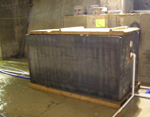
Wastewater sedimentation tank established at construction site to facilitate water reuse.
建築工地內設有沉澱池,收集廢水再用。 |
| 建築工地如須排放污水,承包商必須向環保署申請排污牌照,並遵守發牌規定,例如安裝污水處理設施,接駁到經批准的排污點。此外,建築工地須安裝污水沉澱系統,水因此可以再用。 |
|
| |
|
| |
~~~~~~~~~~~~~~ |
| |
| |
| |